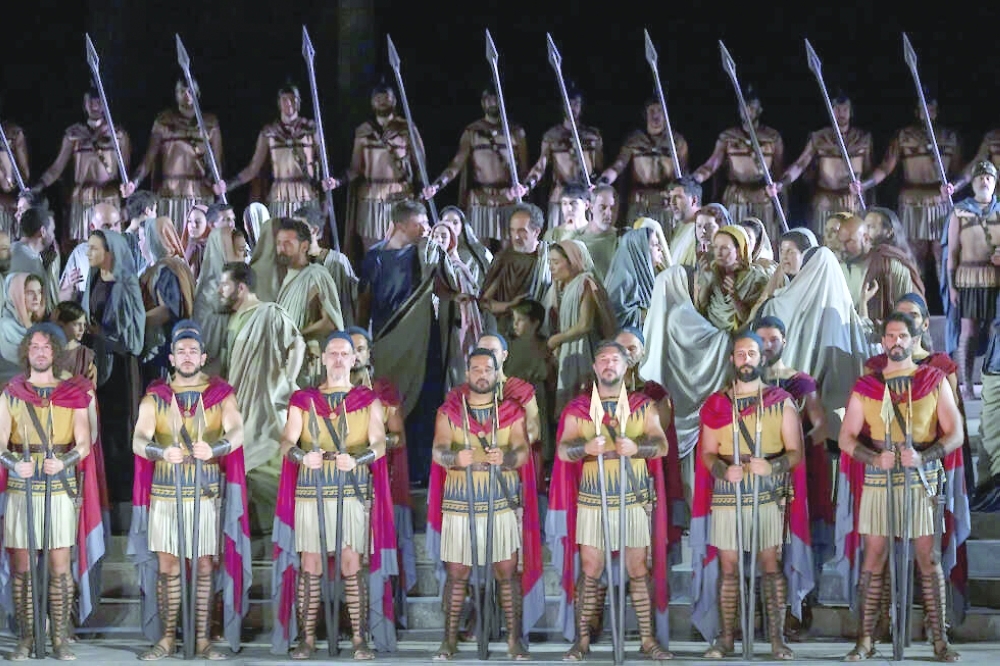





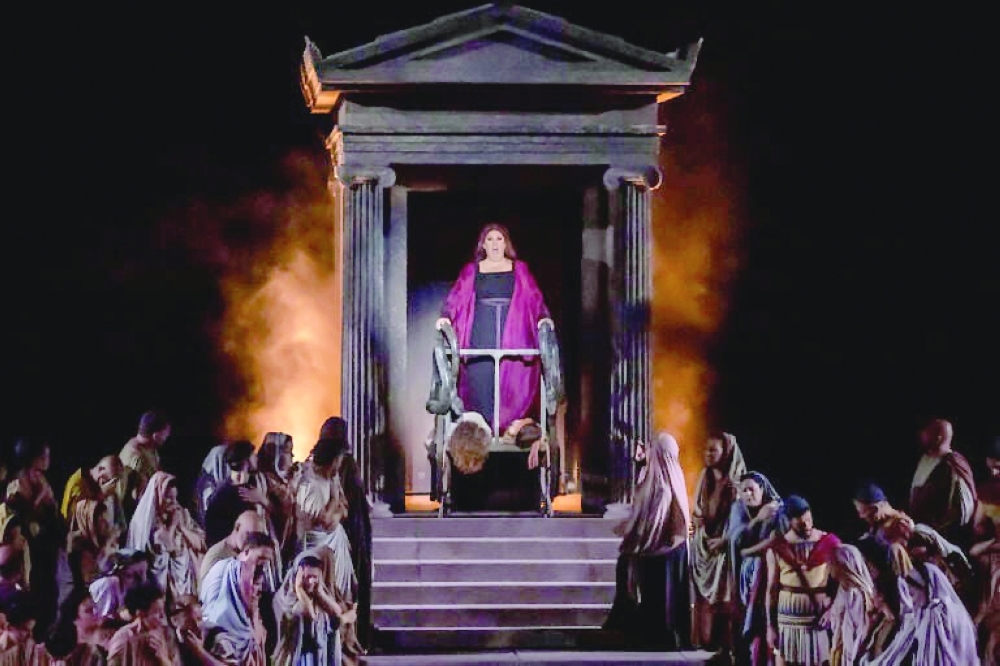
Sixty-five years after it last hosted an opera performance, Greece’s ancient theatre of Epidaurus is revisiting the landmark 1961 production of Medea, which starred legendary soprano Maria Callas in one of the defining moments of her career.
The one-night, sold-out performance features Italian soprano Anna Pirozzi, who says she wants to honour Callas’s legacy while bringing her own interpretation to the role.
“I don’t want to copy or imitate Maria Callas”, Pirozzi said before a dress rehearsal. “I admire the way she interpreted the role and I have borrowed a few of her gestures because they are so dramatic”.
The opera opens the 2026 Athens Epidaurus Festival. Luigi Cherubini’s Medea, first performed in 1797 and inspired by Euripides’s tragedy, was largely forgotten until Callas revived interest in the work through her acclaimed performances.
Director Panaghis Pagoulatos believes both singers share a similar artistic truth. “They share the same sincerity in their singing and acting”, he said. “But they are completely different personalities with very different voices”.
Greek National Opera director Giorgos Koumendakis described the 1961 production as “legendary”, noting that it generated international acclaim. Recreating it required three years of research, with teams studying original notes, costume designs and stage plans to reproduce the performance as faithfully as possible.
“The challenge was capturing the aesthetic of the period while ensuring it still felt relevant today”, Koumendakis said.
The production relied heavily on surviving records from director Alexis Minotis and artist Yannis Tsarouchis, who designed the original costumes and sets. However, no video footage of the 1961 performance exists, forcing the team to work mainly from black-and-white photographs.
The ancient theatre, one of the best-preserved in the world, also required special protection. Every stone seat was covered with a wooden casing to prevent damage during the production.
Costumes presented another challenge. Around 150 garments from the original production have been preserved, with some incorporated into the revival. Baritone Tassis Christoyannis, who plays Creon, will wear his character’s original 1961 costume.
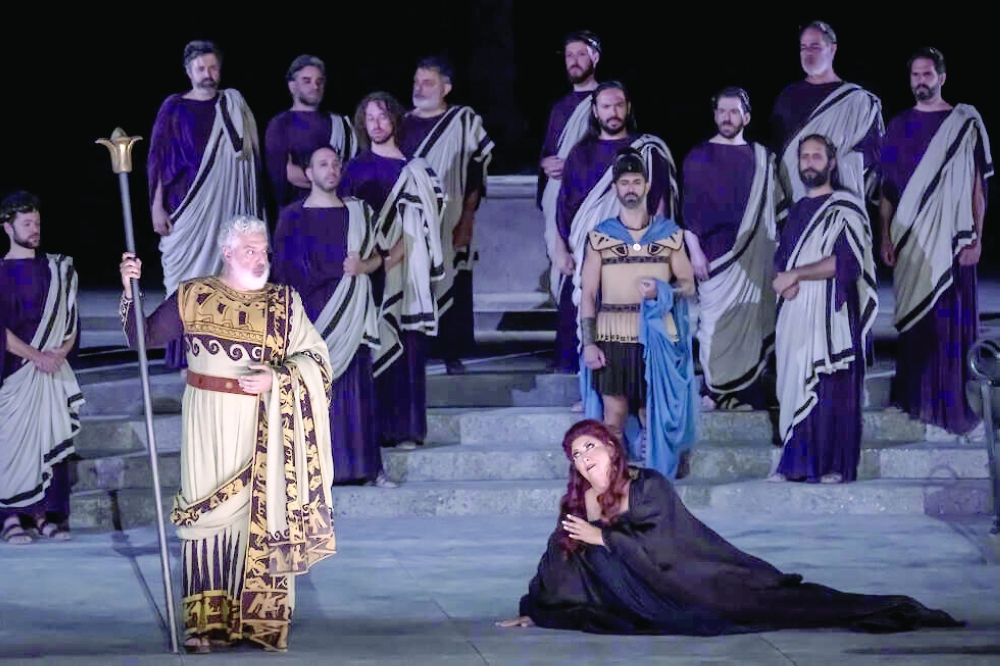
Costume supervisor Tota Pritsa said sourcing fabrics proved difficult because some materials, including silk jersey, are no longer produced. Others were repeatedly washed to recreate the appearance of aged textiles.
“The colours of the original costumes are incredible in sunlight”, she said.
During rehearsals, even Pagoulatos struggled to distinguish between original and newly created costumes.
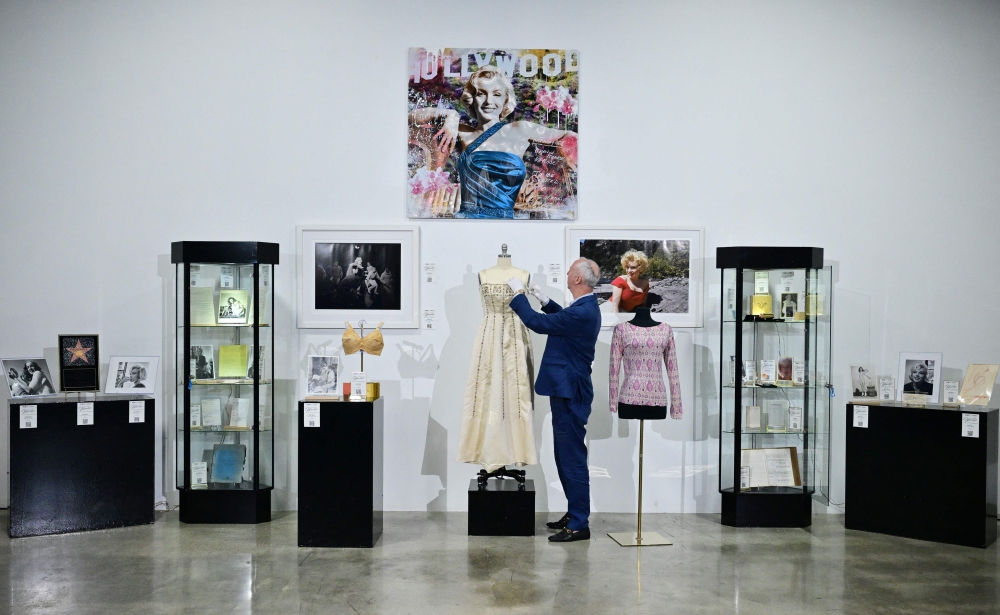
The Epidaurus archaeological site is also hosting an exhibition dedicated to the August 1961 performances. One noticeable difference in the revival is the reduced number of extras. In 1961, soldiers completing military service were recruited to fill the stage.
“Back then the stage was packed”, Pagoulatos said. “Today, we can’t simply go to a barracks and ask everyone to perform in the theatre”. — AFP
Oman Observer is now on the WhatsApp channel. Click here